Bathroom Moisture Problems to Investigate Before a Remodel
Bathroom moisture problems should be investigated before new tile, drywall, or fixtures cover the affected area. At HomeRemodelSammamish.info, we check ventilation, plumbing, waterproofing, and hidden damage so the remodel starts with a sound surface.
Request an Estimate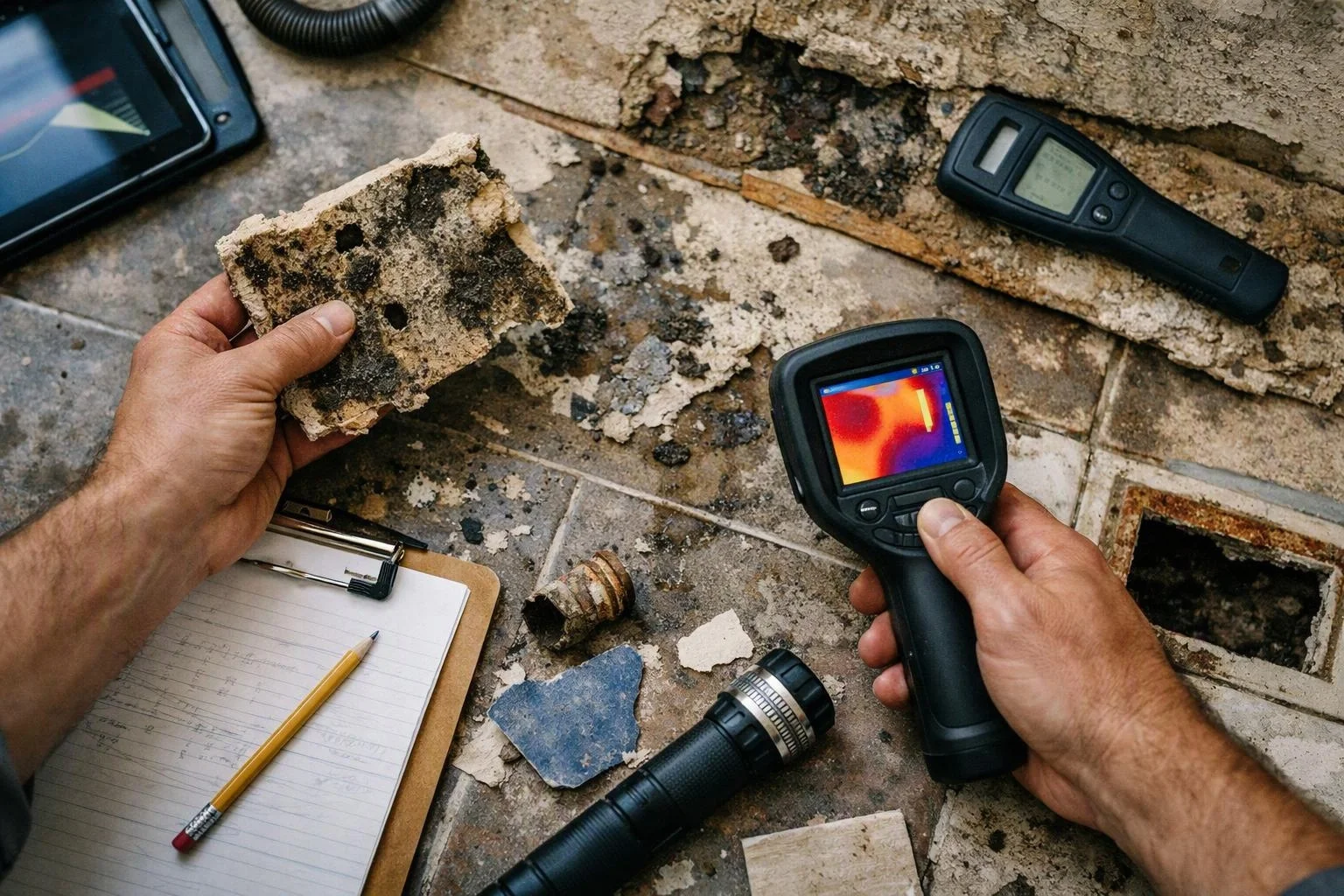
Why Moisture Problems Must Be Found Before Remodeling
Bathroom moisture problems must be found before remodeling because new finishes can hide leaks, mold, and damaged surfaces.
Water damage can weaken drywall, tile backer, framing, and flooring. Mold can also remain behind new building materials when the moisture source continues.
We investigate the cause before planning bathroom remodeling, drywall repair, or tile installation. That approach keeps hidden damage from becoming part of the finished room.
Bathroom Moisture Warning Signs to Check First
Visible bathroom moisture signs often point to a leak, poor ventilation, or failed waterproofing. Check the room for these clues before covering any surface.
A Moisture Investigation Checklist Before Demolition
A bathroom inspection should review every area that can move water into walls, floors, or ceilings. We use the findings to set a safe remodeling scope.
Common Bathroom Moisture Mistakes and the Right Fix
Bathroom remodeling mistakes often start when visible damage is treated as a surface issue. Moisture intrusion needs a repair plan that addresses the source, affected materials, and surface preparation.
The right fix may include plumbing repair, drying, material replacement, waterproofing, drywall repair, or new tile installation. We inspect the assembly before deciding which work belongs in the remodeling scope.
Mistake: Covering Stained or Soft Drywall
Stained or soft drywall usually means water has reached the wallboard. The problem happens when water stains are painted or tiled without checking the leak and nearby materials.
The cost depends on the moisture source, the area of damaged drywall, and whether mold or framing damage is present. We locate the source, remove damaged material as needed, and complete drywall repair before new finishes.
Mistake: Replacing Shower Tile Without Checking Waterproofing
Shower tile replacement should include a review of the waterproofing membrane and tile backer. Tile and grout shed water, but they don't replace the waterproof layer behind shower walls.
Costs change with the condition of the shower enclosure, the extent of failed waterproofing, and the tile installation scope. We repair the wet-area assembly before installing new shower tile.
Mistake: Ignoring a Slow Plumbing Leak
A slow plumbing leak can come from a supply line, drain connection, shower valve, or toilet flange. Small leaks can create water damage because they may continue behind finished surfaces.
The repair scope depends on the leaking connection and the materials it affected. We identify the plumbing leak and coordinate the needed repair before closing walls or floors.
Mistake: Treating Mold Without Removing Its Moisture Source
Mold treatment won't solve the problem when the mold source remains active. Ongoing condensation, a plumbing leak, or failed waterproofing can keep damaged materials damp.
The cost depends on the affected materials and the source of moisture. We correct the source, remove materials that can't be restored, and prepare sound surfaces for remodeling.
Mistake: Relying on Caulk to Solve a Waterproofing Failure
Caulk and sealant can close some surface joints, but they can't repair a failed waterproofing system. Water may still enter through shower corners, a tub surround, or damaged tile joints.
The work depends on whether the problem is limited to a joint or extends behind the finish. We assess the assembly and use the correct waterproofing repair before resealing or tiling.
Mistake: Installing an Exhaust Fan That Doesn't Control Humidity
Bathroom ventilation must remove humid air to limit condensation and mold growth. A fan that doesn't control humidity can leave moisture on walls, ceilings, and fixtures.
The scope depends on the fan, duct path, controls, and room conditions. We review the exhaust fan setup and plan ventilation improvements that support mold prevention.
Mistake: Choosing Materials That Hold Moisture
Bathroom materials can contribute to premature deterioration when they absorb or trap moisture. Wood trim, unsuitable flooring, weak grout, and damaged drywall can all create maintenance problems.
The material replacement scope depends on where moisture collects and how much deterioration has occurred. We select moisture-resistant materials suited to the wet and dry areas of the room.
Mistake: Installing New Finishes Over a Damaged Subfloor
A damaged subfloor can move, soften, or rot beneath new floor tile. The mistake happens when surface damage is covered without checking the structure below.
The cost depends on the affected area, the type of damage, and the floor tile installation plan. We repair or replace unsound sections before preparing the floor for tile.
How Moisture Damage Changes the Remodeling Plan
Moisture damage changes the remodeling plan by adding investigation, removal, repair, and surface preparation. The table shows how common findings can affect the work.
We use these conditions to define the work before finishes are selected. That keeps the remodeling scope tied to the actual condition of the room.
| Finding | Likely impact | Repair path |
|---|---|---|
| Surface damage | Finish removal and added surface preparation | Drywall repair or replacement before finishing |
| Hidden damage | Expanded demolition and material replacement | Open the affected area and remove unsound materials |
| Plumbing repair | Fixture or wall access may be needed | Repair the leak and check nearby water damage |
| Waterproofing repair | Shower finishes may need removal | Restore the membrane and tile backer before tile work |
| Subfloor damage | Floor movement and tile failure risk | Repair the subfloor before tile installation |
When Bathroom Moisture Work Needs Our Crew
Our crew should handle bathroom moisture work when damage extends behind finishes or involves plumbing, waterproofing, or the subfloor. These conditions can affect the safety and durability of the remodel.
How We Prepare a Bathroom for Moisture-Safe Remodeling
We prepare a bathroom for moisture-safe remodeling by tracing the moisture source and checking every affected layer. Our team documents the condition before setting the remodeling scope.
We then complete needed plumbing repairs, remove damaged materials, and perform drywall repair where required. We restore waterproofing, prepare tile backer, and install finishes on sound surfaces.
Our bathroom remodeling services connect moisture inspection, repair, waterproofing, and tile installation into one plan. We explain the work in the remodeling estimate so you can see what is included.
What to Include in a Moisture Repair and Remodel Quote
A bathroom remodeling quote should identify the moisture source, damaged materials, repair work, waterproofing scope, and finish installation; we offer Free Consultations.
Our quote should state whether demolition is needed and which materials may require replacement. It should also separate plumbing repair, drywall repair, waterproofing, surface preparation, and tile installation.
Remodeling costs depend on the source of moisture, hidden damage, material deterioration, access, and the finish selections. Contact us through our consultation page so we can review the bathroom and prepare an exact quote.
Get a Free EstimateQuestions About Bathroom Moisture Before Remodeling
Can a bathroom exhaust fan prevent mold after remodeling?
Yes, a bathroom exhaust fan can help prevent mold when it removes humid air and the moisture source is controlled. Ventilation can't correct a plumbing leak or failed waterproofing by itself.
How can you tell if shower walls have hidden water damage?
Shower walls may have hidden water damage when they show loose tile, cracked grout, soft areas, stains, or a musty odor. We check the tile backer, waterproofing membrane, plumbing connections, and nearby materials.
Should damaged bathroom drywall be repaired before tile installation?
Yes, damaged bathroom drywall should be repaired before tile installation when it is stained, soft, swollen, or affected by mold. Tile needs a sound, properly prepared surface.
What bathroom materials resist moisture-related deterioration?
Moisture-resistant materials include suitable wet-area backer, properly installed tile, durable grout, and flooring made for bathroom conditions. Material choice must also match the room's ventilation and waterproofing design.
Can cracked grout indicate a larger bathroom moisture problem?
Yes, cracked grout can indicate movement, water entry, or a problem behind the tile. We check the grout, tile backer, waterproofing, and surrounding surfaces before recommending a repair.