Which wood materials suit interior trim best?
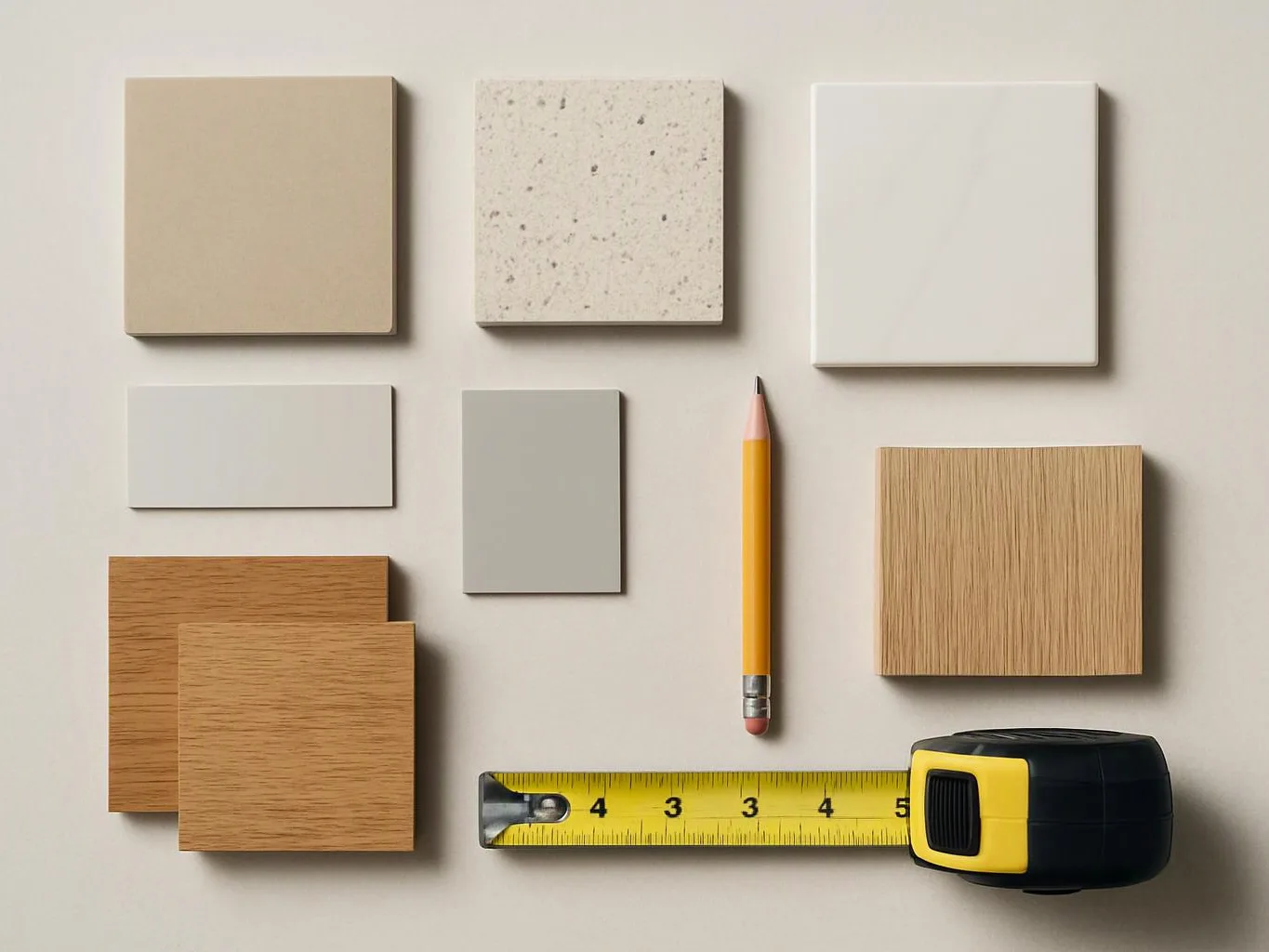
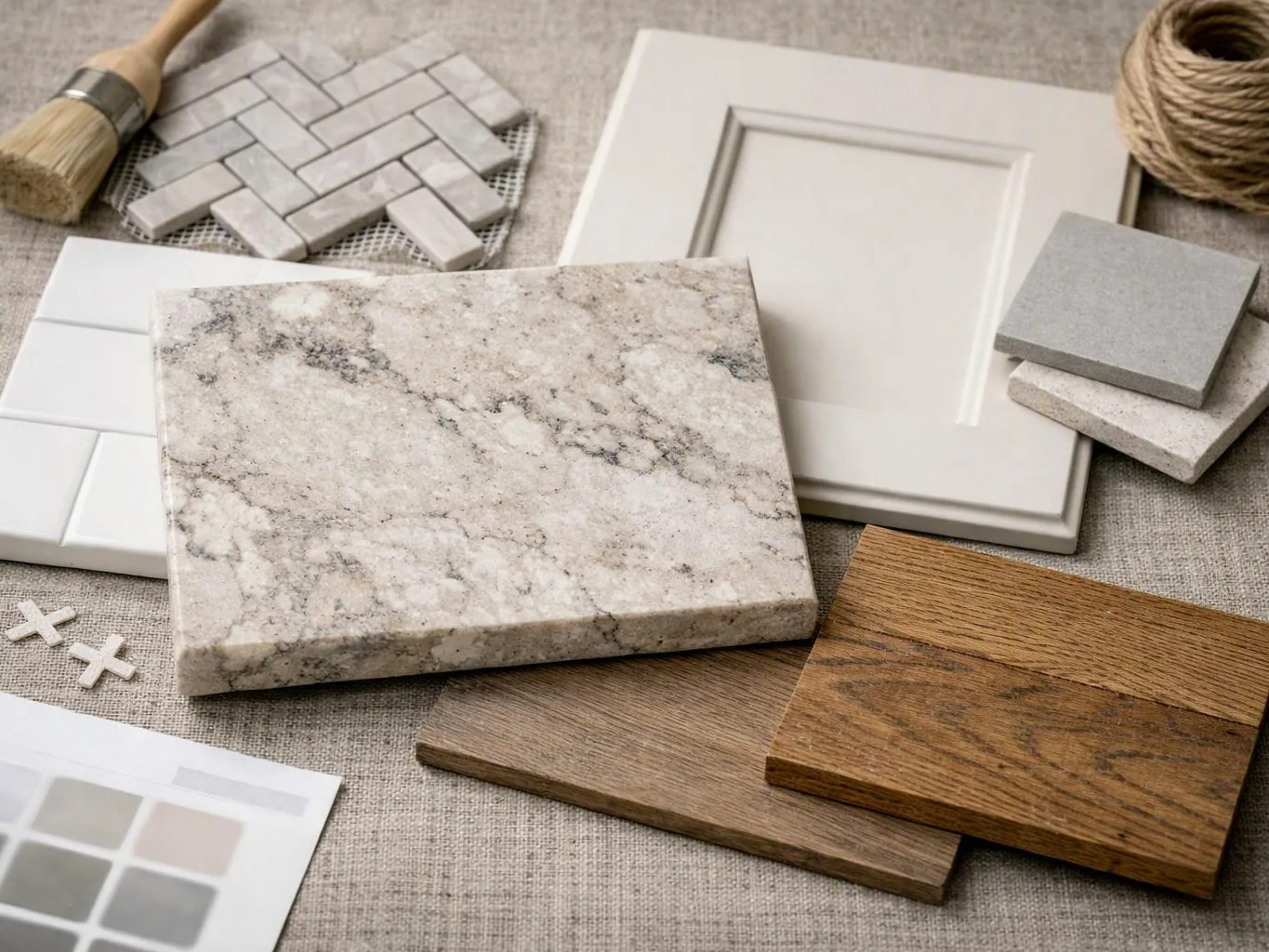
Oak suits trim when visible grain and a firm surface match the design. Poplar works well for smooth painted profiles, while maple offers a tighter grain. Pine brings a softer wood look, and MDF provides a uniform painted surface. The room’s finish, existing materials, and profile choice should guide the final selection.
How does existing trim affect a new installation?
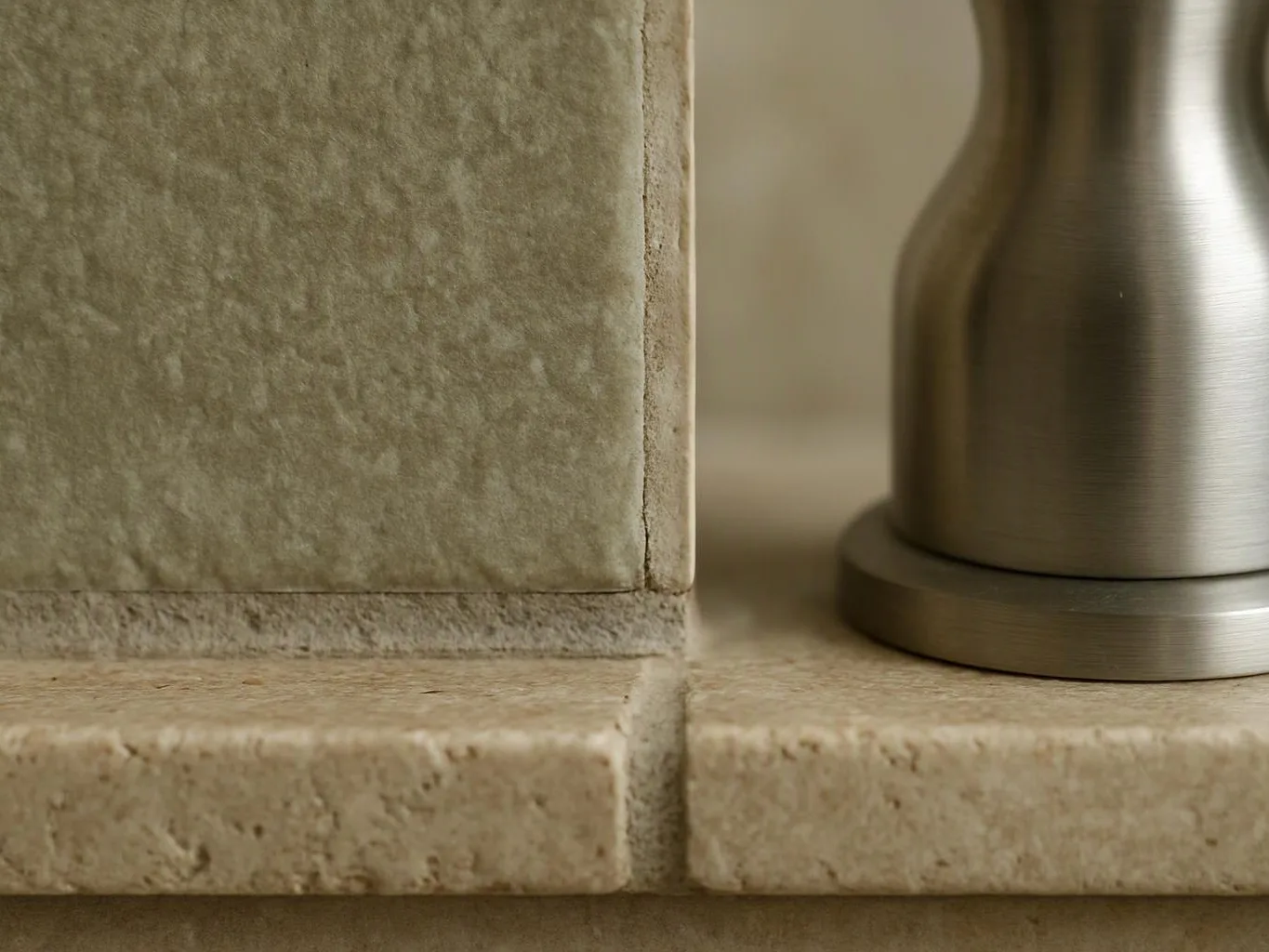
Existing trim affects the profile, height, joint layout, and material match. We compare casing, baseboards, flooring, cabinets, and wall edges before ordering or cutting new pieces. A replacement can look out of place if its width or profile conflicts with nearby work. Photos and room measurements help define the right scope.
What should I prepare before requesting a trim quote?
Room photos, rough measurements, and finish preferences help us review a trim project. Include door and window openings, baseboards, flooring edges, cabinets, and any damaged areas. Tell us whether the work belongs to a kitchen, bathroom, office, tenant improvement, or larger renovation. That context helps connect the trim plan to the full job.
When is finish carpentry the right service for a room?
Finish carpentry fits visible trim work after the room’s framing and wall surfaces are ready. It covers casing, baseboards, molding, fitted wood details, and related finish pieces. Structural changes, major drywall damage, hidden water damage, plumbing, and electrical repairs need their related work first. A broader remodeling plan can coordinate those scopes.
What changes the quote for interior trim work?
Material, profile detail, total trim length, opening conditions, removal work, and surface repairs change the quote. Stained wood can call for a different material choice than painted trim, and uneven walls can add fitting work. We review the room and project scope before preparing a quote, so the plan reflects the actual conditions.
How do trim materials work with painted cabinets?
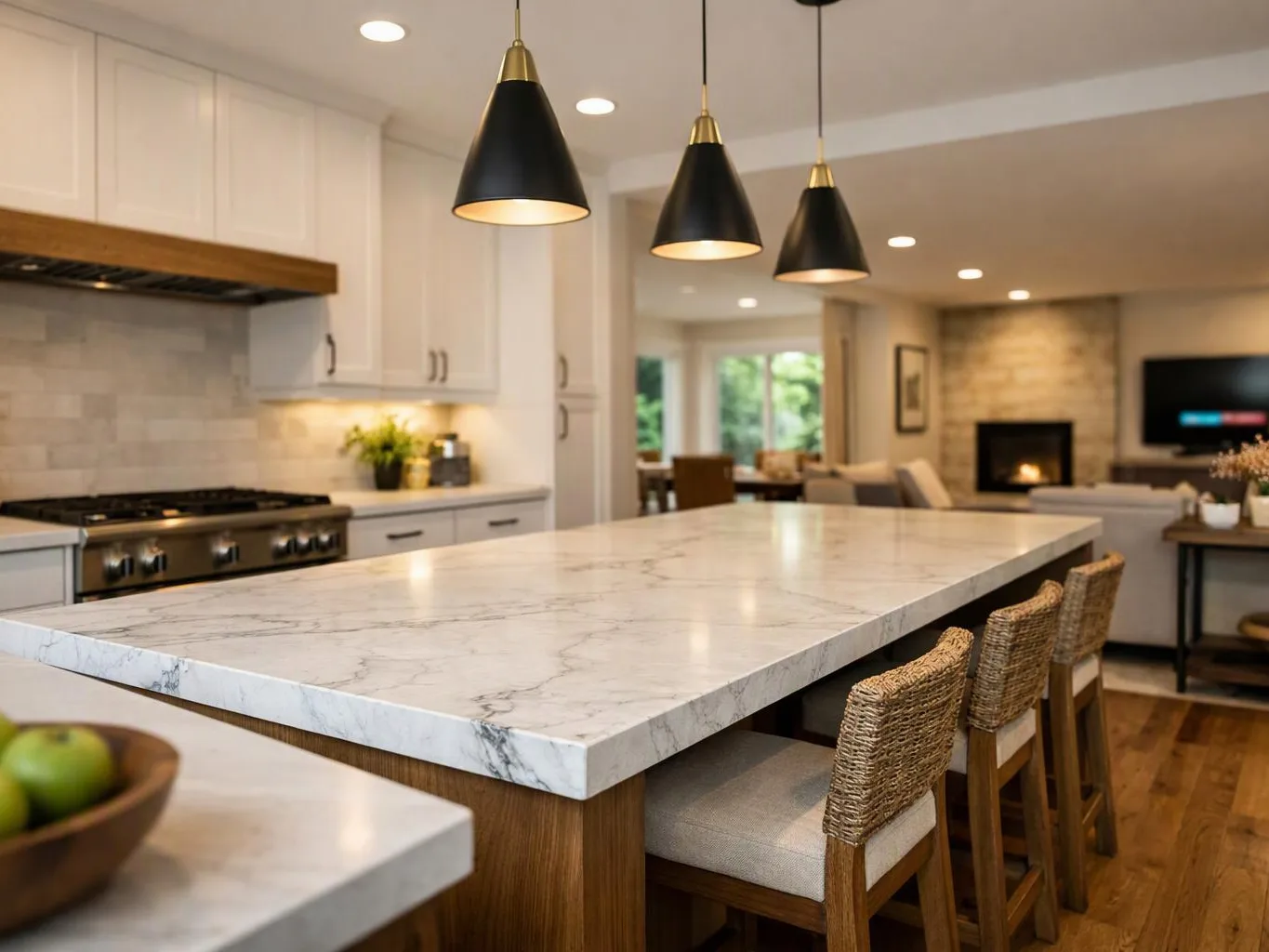
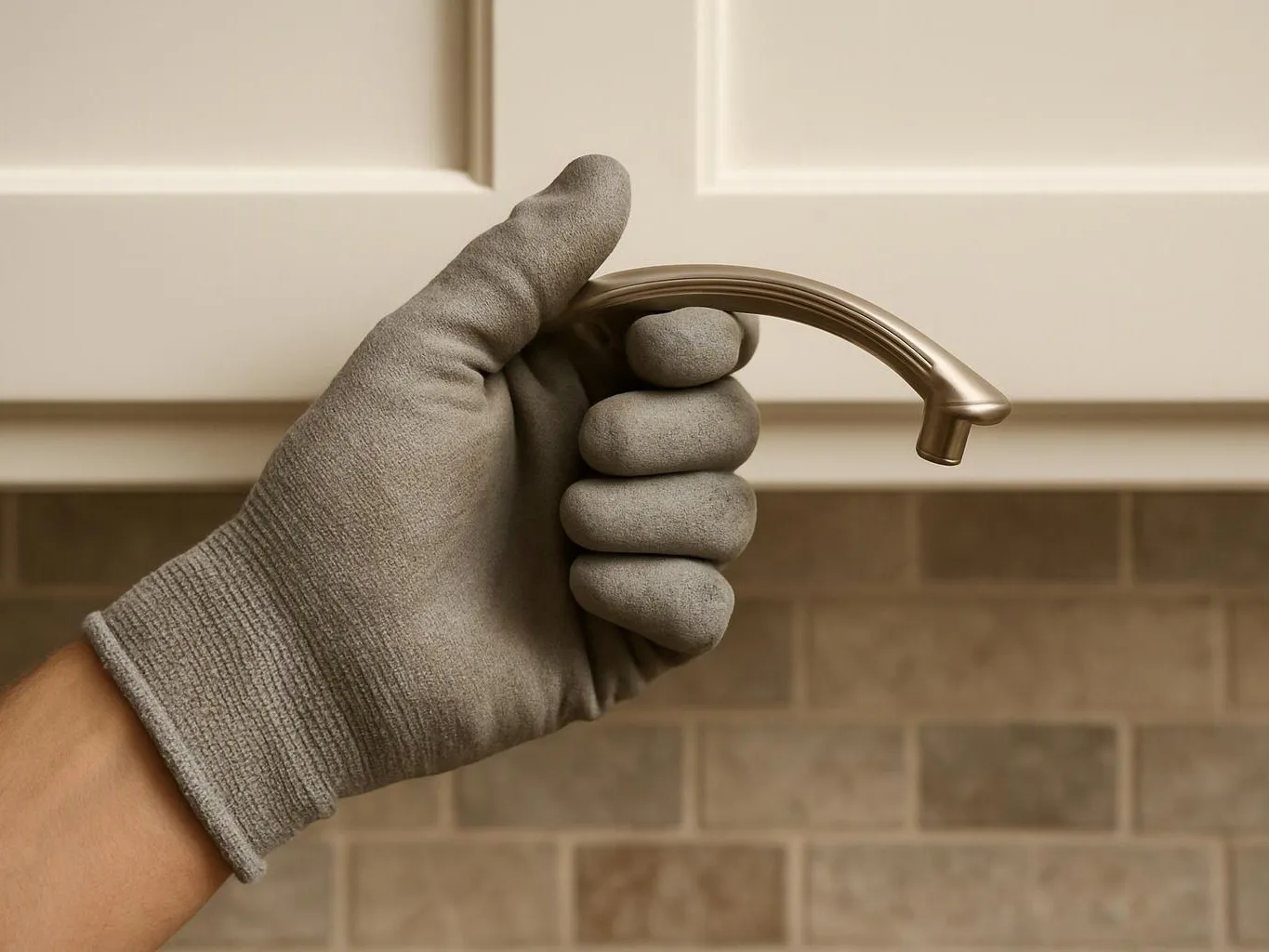
Painted cabinets usually pair best with trim that offers a smooth, consistent surface. Poplar and MDF can support that look, while wood grain may remain visible unless the finish covers it. We compare cabinet color, profile, baseboard height, and casing width before selecting the trim material for a connected room design.